
Practical skills for real kitchens
Porterpick workshops change that. Each session focuses on one specific technique — knife work, heat control, sauce building — with hands-on exercises and clear feedback so you leave knowing exactly what you did and why it worked.
Built for people who want to cook with confidence, not just follow a recipe once and forget it.
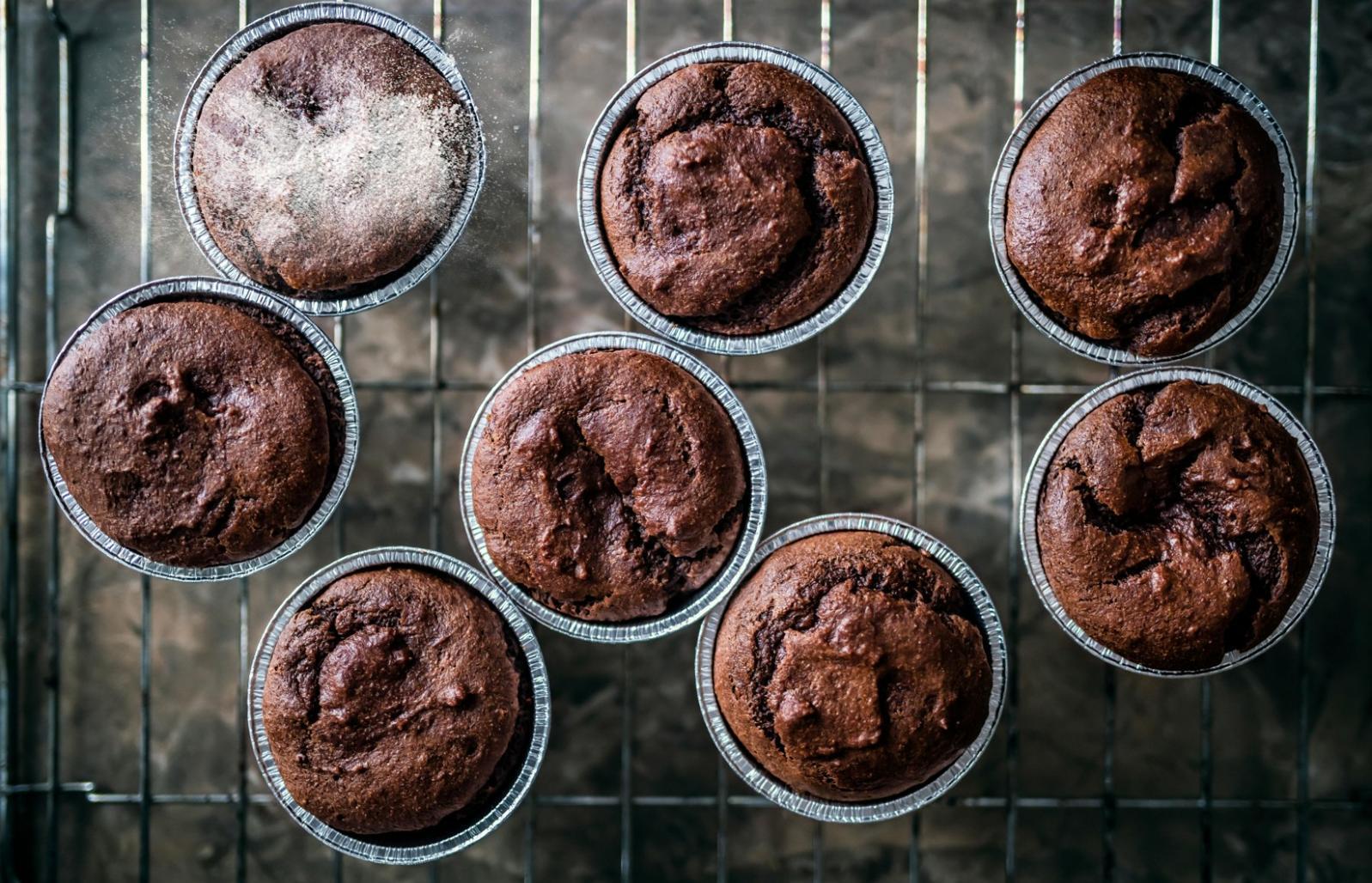 Hands-on technique
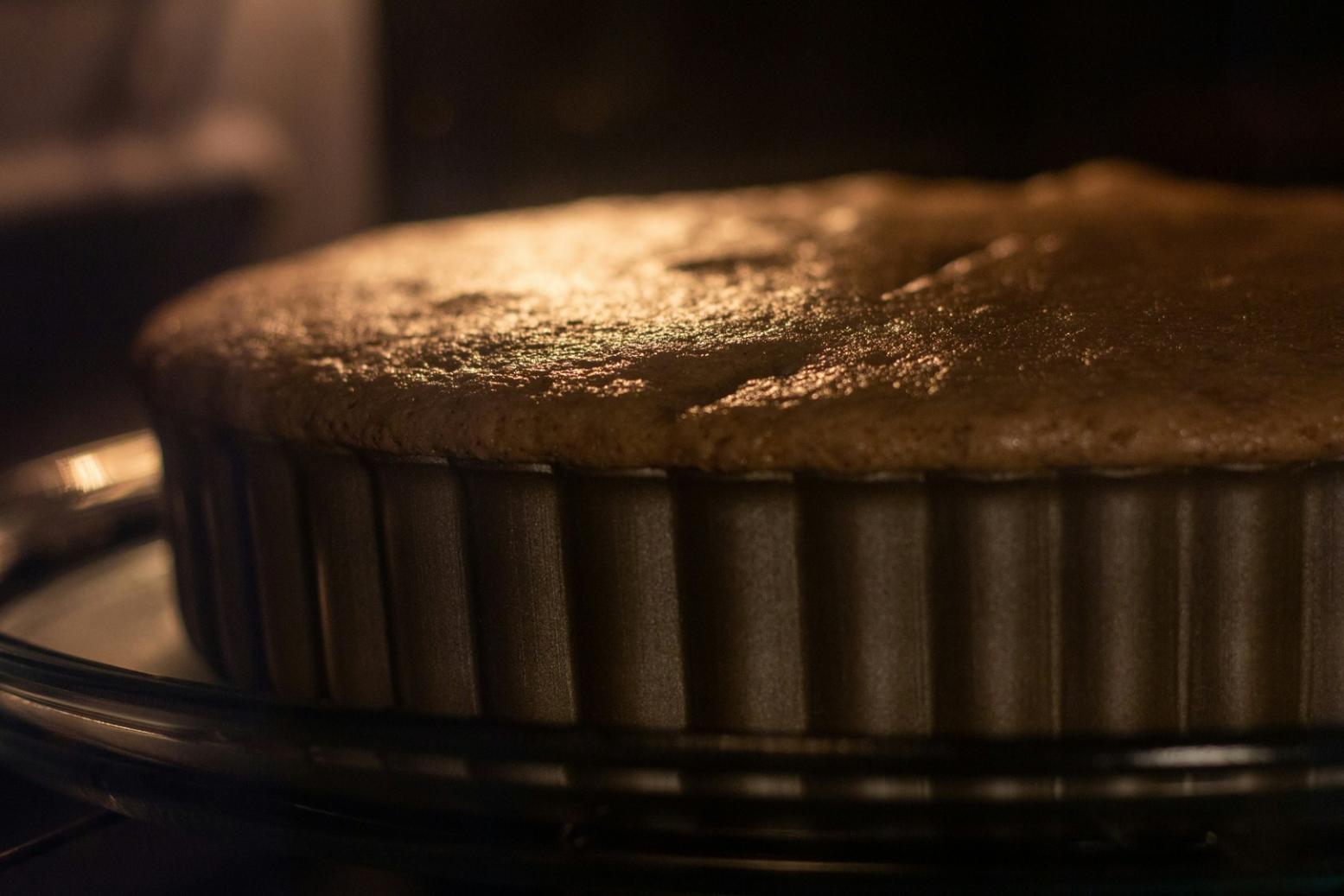
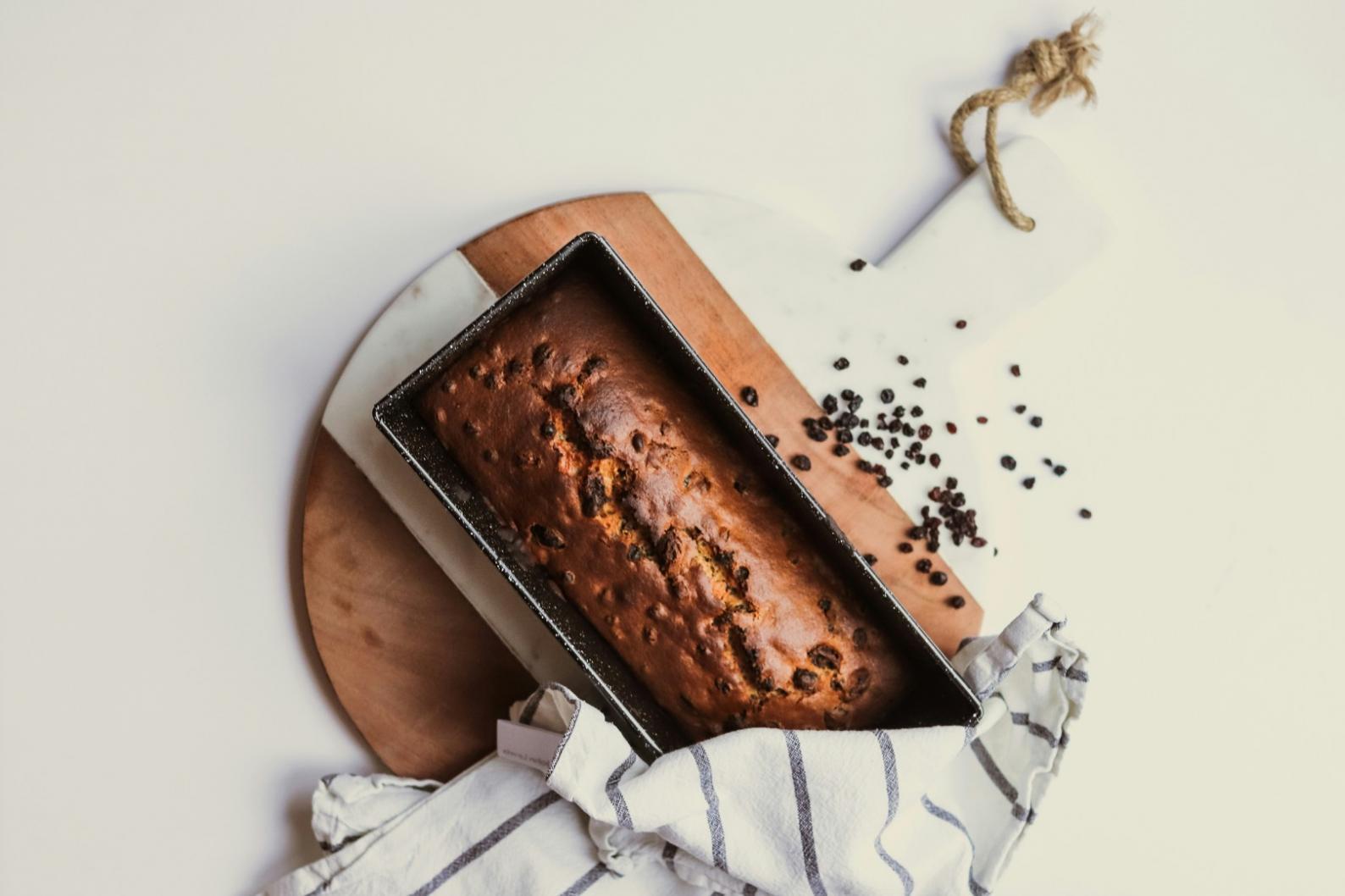 Workshop results
What the workshops actually cover
"Skills stick when you practise them, not when you watch someone else."
Each Porterpick session is structured around doing. Participants work through a sequence of exercises — breaking down a technique into its smallest parts, practising each one, then combining them. People who come back for more than one session often describe this as finally understanding why a dish went wrong, not only that it did.
- Heat management — understanding pan temperature before anything goes in
- Knife skills — grip, angle, and rhythm for consistent cuts
- Flavour layering — when to add salt, acid, fat at different stages
- Sauce building — roux, reductions, emulsions explained through practice
- Timing across multiple elements — coordinating a meal without stress
Current programmes
2
Typical session length
3 hours
Group size per session
4–8 people
Format
In person
Three ways sessions are structured
Different techniques call for different formats. Here is how Porterpick organises its workshop types so each one matches the skill being taught.
01
Focused single-technique sessions
Some skills need undivided attention. Knife work is one of them. Participants spend the full 3 hoursutes on grip, posture, and cutting motion — nothing else. People often join one of these after years of awkward chopping and say the difference was immediate, though it took another week of home practice to make it feel natural. That is honest: one session builds understanding, repetition builds habit.
02
Sequenced multi-part modules
Some cooking knowledge builds in layers. Sauce-making, for instance, starts with understanding fat and flour, moves through stock reduction, then reaches emulsification. Porterpick offers three-session modules where each week adds complexity. Participants cook a dish that uses only the technique covered that day — no shortcuts, no full recipe to hide behind. By session three, the connections between the parts become clear on their own.
03
Open kitchen practice rounds
These are less structured by design. Participants bring a dish they have been struggling with — something that never comes out quite right — and work through it with a facilitator watching and asking questions rather than demonstrating. The format suits people who have attended one or two earlier sessions and want to apply what they learned without a fixed script. One participant used one of these rounds to finally figure out why his stir-fry always steamed instead of seared. The answer was pan temperature and batch size — two things he could fix immediately.