About Porterpick

Cooking is a skill, not a talent
— and skills are learnable

Kitchens are where confidence is built one dish at a time. Started in Middelburg in 2025, Porterpick grew from a single observation: most people know what they want to cook but don't know where to actually start. Not a recipe. A starting point. A structure. Someone to walk through the process with them — not once, but repeatedly, until the logic of cooking becomes second nature.
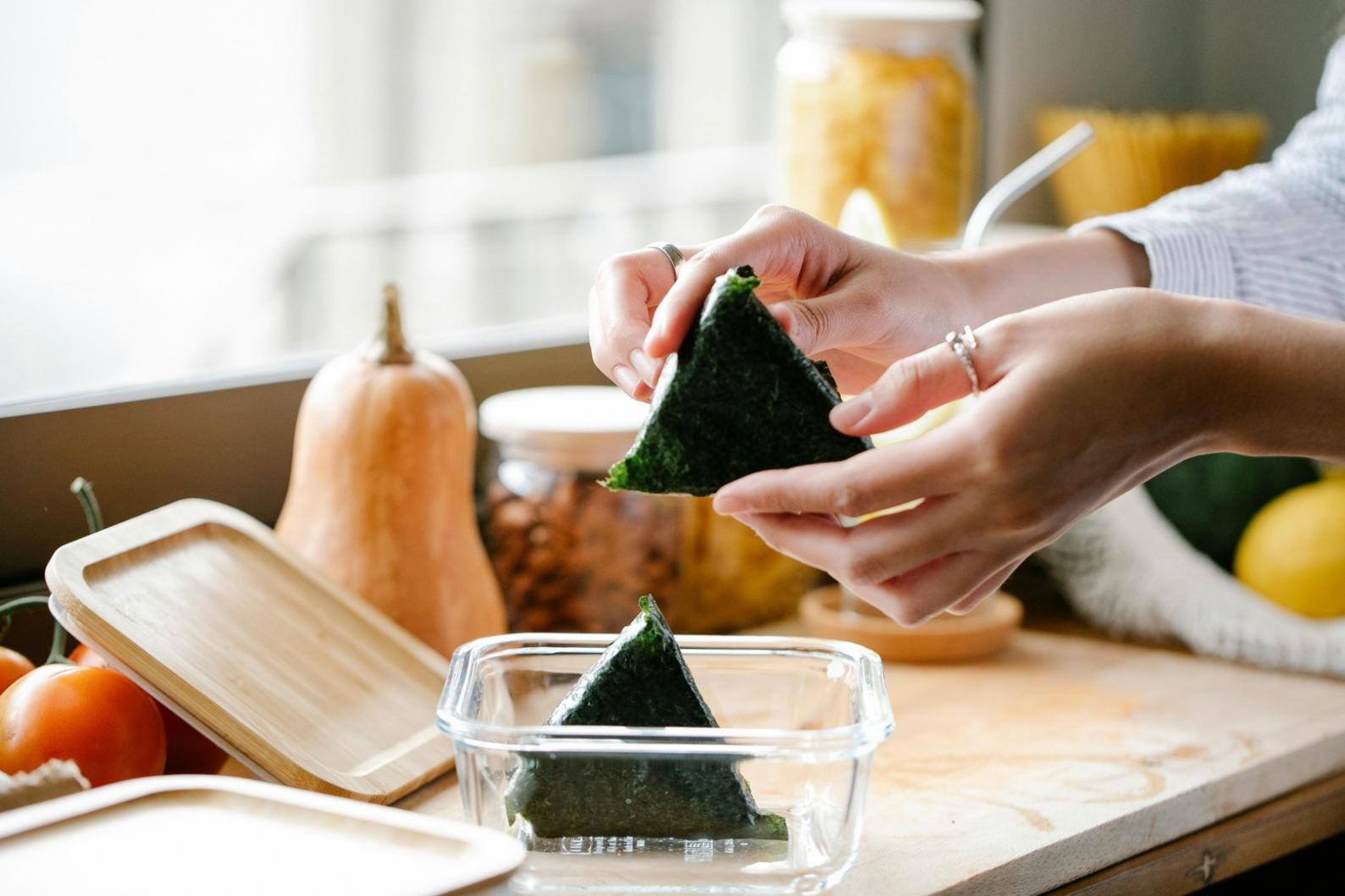
Hands preparing fresh ingredients on a wooden kitchen counter
Our story

What actually happens in a Porterpick workshop

Participants leave with muscle memory, not just notes.

Each workshop runs as a structured sequence of hands-on tasks. You don't watch a demonstration and go home. You pick up a knife, you make a sauce, you taste it, you adjust it. The instructor explains the reasoning behind each step — why heat matters here, why resting meat changes the texture, why the order of adding ingredients to a pan affects the result.

Porterpick workshops are designed around real home kitchens — not professional equipment, not specialty ingredients sourced from imported suppliers. The tools and produce are the kind you find at a local Middelburg market on a Saturday morning. That constraint is intentional. Skills built on accessible materials transfer directly to daily life.
2 Current workshop programmes, with a clear outline on each page
4–8 Participants per session — small groups by design
3h Average session length — enough time to actually practice
6 Skill areas from knife work to fermentation basics
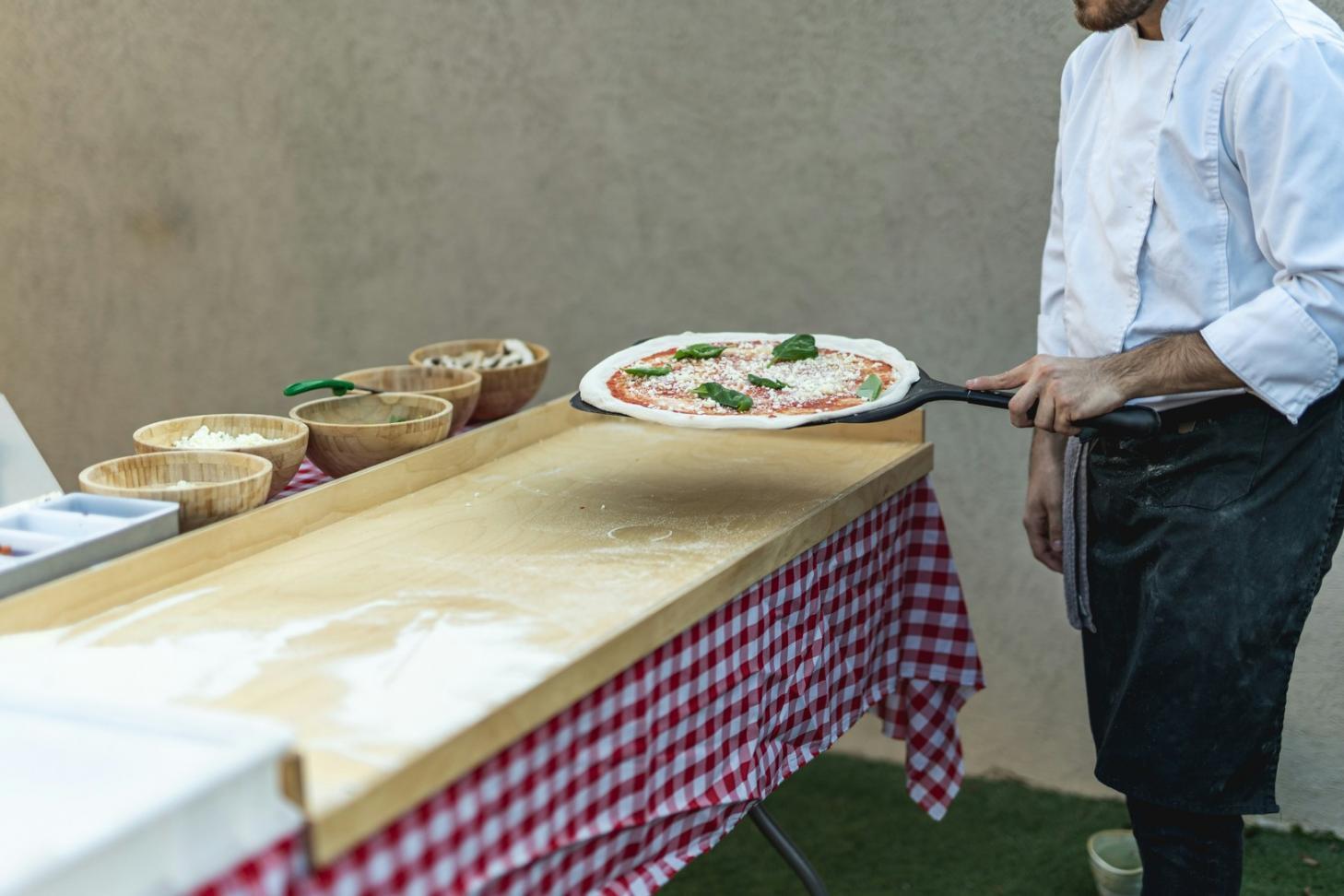
Workshop participants working at kitchen stations during a practical cooking session A typical Saturday morning session — everyone at their own station

The people who run the sessions

Two instructors with different cooking backgrounds. One shared approach: teach the reasoning, not just the steps.

Instructor Theodora Klaas in the teaching kitchen

Theodora Klaas

Lead Instructor

Theodora spent eight years cooking in small restaurants before shifting to teaching. She runs the knife skills, stock-making, and sauce fundamentals workshops. Her sessions are methodical — she slows down the parts most people rush through and explains what's happening chemically and texturally at each stage.

Instructor Braam Ferreira demonstrating bread techniques

Braam Ferreira

Baking & Fermentation Lead

Braam comes from a background in food science and has been baking bread seriously for over a decade. He leads workshops on dough, fermentation, and preservation. His approach is diagnostic — he helps participants understand what went wrong and why, so the next attempt is different rather than just repeated.

Close-up of freshly baked bread from a Porterpick workshop session
Every session ends with participants eating what they made — together.

How the workshops are structured

Hands-on from minute one No lecture phase before the practical. Participants start working immediately and theory is introduced as it becomes relevant to what they're doing.
Repetition is built in The same technique appears in different dishes across the session. By the third time you deglaze a pan, you're not following instructions anymore — you're making a decision.
Questions change the session When someone asks why, the instructor stops and explains. Sessions regularly go in unexpected directions because of a good question — and that's considered a success, not a detour.
Small groups, real attention Eight people maximum. The instructor can see what everyone is doing and respond to what's actually happening at each station, not a hypothetical average participant.
Local ingredients, local context Recipes and techniques are chosen because they work with what's available in Middelburg — seasonal produce, common pantry staples, and equipment most households already own.

Your privacy choices

We use cookies to remember your workshop preferences and measure which recipes and exercises are most useful. No personal data is sold. You can accept or decline non-essential cookies below.